The first mural in Jerusalem
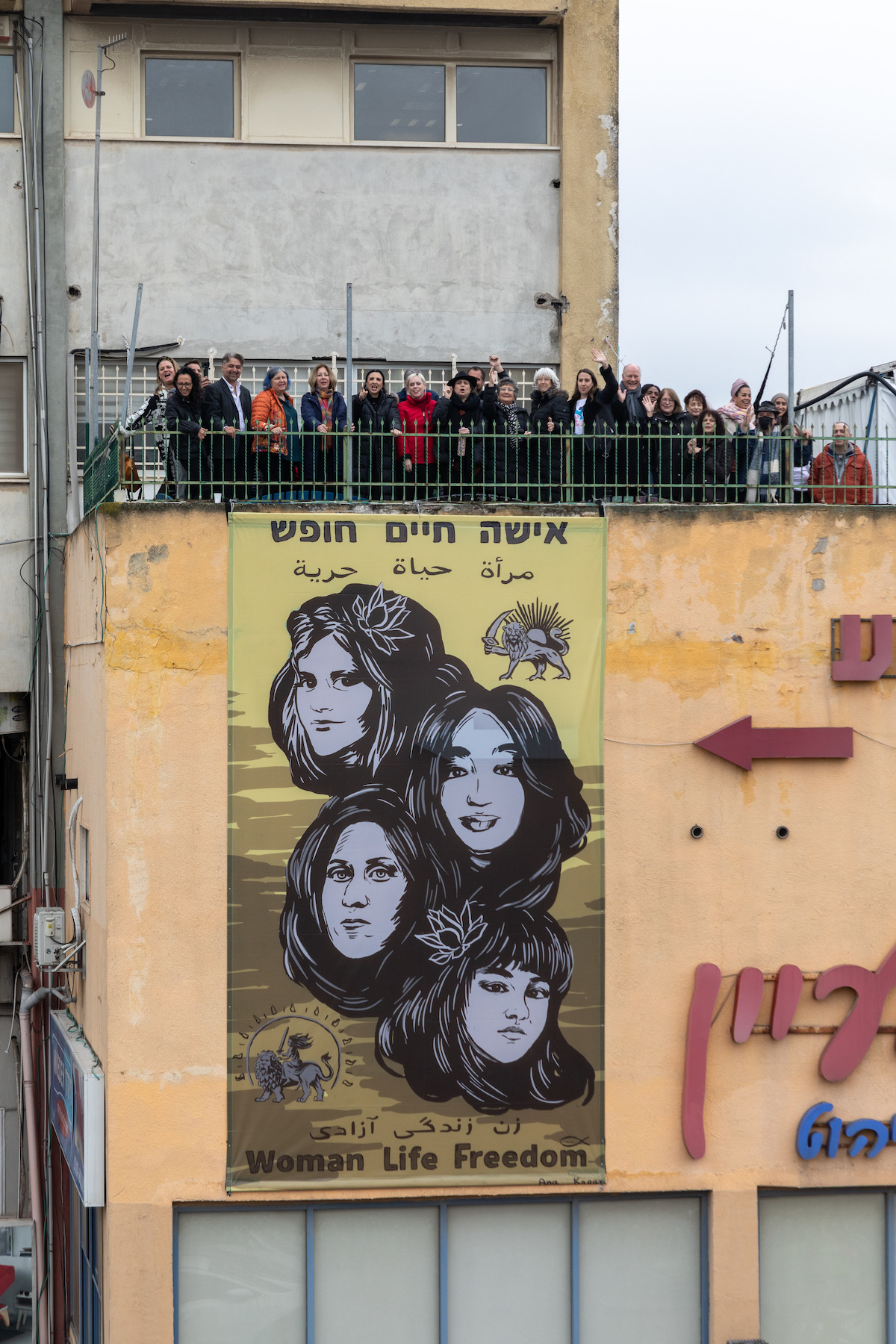
A mural in San Francisco set Hooman Khalili on a journey to Jerusalem. There, a meeting and an invitation became the first work in his Israeli Woman Life Freedom series.
In September 2022, Mahsa Jina Amini died in Iranian police custody. Her death sparked demonstrations across Iran. Khalili, an Iranian American filmmaker and radio personality, wanted to support the women-led movement in the country where he was born.
In his first-person account, he recalls helping bring a San Francisco mural honoring Amini and other women into being in November 2022. Journalist Emily Schrader saw the image, shared it and tagged Fleur Hassan-Nahoum, then Jerusalem's deputy mayor. Within weeks Khalili was in Hassan-Nahoum's office, discussing a mural in Israel.
Finding a wall, making a work
Khalili describes the invitation as a calling shaped by his Christian faith. He wanted the work to show solidarity with Iranians and to connect Persians and Jews through their shared history. Hassan-Nahoum helped find a site in Talpiot, on the building of the women's empowerment organizations El HaLev and MyPwr.
A contact at Israel's Foreign Ministry introduced Khalili to Israeli artist Ana Kogan. As The Jerusalem Post reported, Kogan designed the mural in partnership with Khalili. Both described the urgency of the project to the newspaper. Khalili recalls that the work was completed about 26 days after his meeting with Hassan-Nahoum.
In January 2023 the mural appeared at the corner of Poalei Tzedek and Pierre Koenig streets. It honored four women: Mahsa Amini, Sarina Esmailzadeh, Fereshteh Ahmadi and Nika Shakarami. Their faces brought individual lives into the public message of Woman Life Freedom.
The composition sets their portraits against gold. Khalili told The Jerusalem Post that he chose the color for its association with power in Iranian culture. The work also includes the lion and sun, and a woman holding a sword while riding a lion. Those images draw on Persian symbols in a tribute made for a Jerusalem street.
What followed
Khalili went on to work with artists and local partners in other cities. In Netanya, portraits of Niloufar Aghaee and Ghazal Ranjkesh honored women who survived eye injuries. By 2024, a collage at Jerusalem's First Station brought together the first Israeli series. A later, separate mosaic of Amini and Shirel Haim-Pour traveled to Rice University in Houston.
The first Jerusalem work began through a chain of people who saw a mural and wanted to bring its message to another place. Its history remains part of the larger project that grew from that invitation.